

Robot vacuums promise to free us from the drudgery of floor cleaning. But do they actually deliver? As someone who battles dust bunnies daily with my trusty Yeedi, I’ve learned there’s a difference between marketing promises and real-world performance.
These little disc-shaped helpers have come a long way since the first Roomba started bumping around living rooms in 2002. Today’s models map your home, respond to voice commands, and even empty their own dustbins.
For busy people, robot vacuums sound like a dream come true—no more weekend cleaning marathons! But before you rush to buy one, let’s address the critical question: are these automated cleaners worth the investment, or just expensive toys that leave dirt in the corners?
By the end of this guide, you’ll know whether a robot vacuum is the right fit for your home.
Understanding Robot Vacuums
What They Are and How They Work
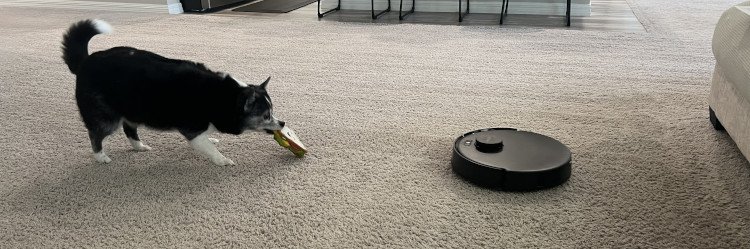
Robot vacuums are autonomous cleaning devices designed to maintain your floors with minimal human intervention. Unlike traditional vacuums that require manual operation, robot vacuums navigate independently using a combination of sensors and AI-driven technology.
Key Components:
- Compact, disc-shaped body (typically 3-4 inches tall)
- Internal motors and sensors for movement and obstacle detection
- Rotating brushes to collect dirt
- Suction system to pull debris into an internal dustbin
This low-profile design allows them to reach under furniture where traditional vacuums often can’t.
Navigation Technology:
- Basic Models: Use infrared sensors for a “bump-and-turn” approach.
- Advanced Models: Feature visual mapping cameras or LiDAR technology to create detailed floor plans, improving efficiency and coverage.
Cleaning Mechanism:
- Side brushes sweep debris toward the center.
- Main brush agitates and lifts dirt.
- Suction system pulls everything into a dustbin.
One tip: Here’s a nice resource for parts for your robot vacuum:
Key Performance Feature
Suction Power
- Budget models: 1500-2000 Pa
- Premium models: 4000+ Pa (better for carpets but drains battery faster)
Battery Life
Most models run for 90-150 minutes before automatically returning to their charging dock.
Noise Levels
Typically 55-70 decibels—quieter than traditional vacuums but still noticeable. Some models have “quiet mode” settings.
Size Considerations
Measure the clearance under your furniture before buying to ensure your robot vacuum won’t get stuck.
Cleaning Efficiency
Smart mapping ensures methodical cleaning instead of random bumping, leading to better coverage.
Smart Features and Technology
Control and Customization
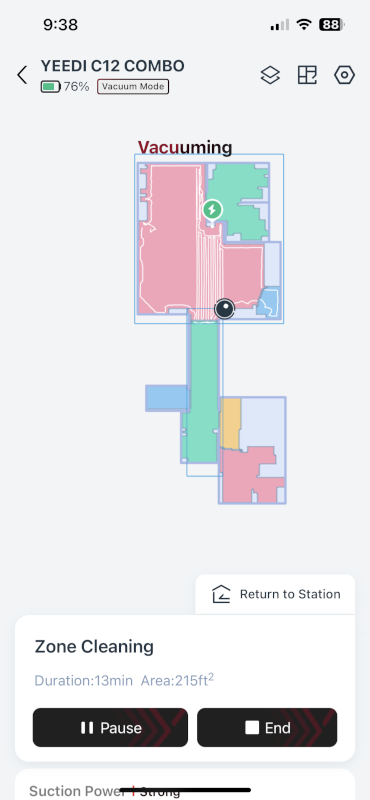
Most modern robot vacuums offer app control, letting you:
- Start, pause, or schedule cleaning remotely
- Track real-time cleaning progress
- Set up custom cleaning zones and virtual no-go areas
- Receive maintenance alerts (e.g., filter replacements)
Virtual Boundaries:
Instead of physical barriers, you can create digital “no-go zones” for areas like pet food stations.
Smart Home Integration
Robot vacuums can sync with Alexa, Google Assistant, and Siri, enabling voice commands like:
- “Start cleaning the kitchen.”
- “Pause vacuum.”
- “Return to charging station.”
Advanced Mapping & Obstacle Avoidance:
- Multi-floor mapping allows efficient cleaning across different levels of your home.
- AI-enhanced recognition helps avoid pet waste, cords, and small objects.
- Some models even adjust suction based on floor type.
The Practical Reality: Pros and Cons
Advantages
✅ Time-Saving: Set it and forget it—clean while you’re at work or sleeping. ✅ Consistent Cleaning: Daily cycles prevent dirt buildup. ✅ Accessibility-Friendly: Great for those with mobility limitations. ✅ Smart Integration: Seamlessly connects with other smart home devices.
Limitations & Challenges
❌ Not for Deep Cleaning: You’ll still need occasional manual vacuuming. ❌ Navigation Issues: Some models struggle with tight corners, loose cords, or dark floors. ❌ Maintenance Required: Regularly empty dustbins, clean brushes, and replace filters. ❌ Cost Considerations: Prices range from $200 to $1,000+.
Common Issues:
- Stuck under furniture
- Tangled in cables
- Struggles with high-pile carpets
Is a Robot Vacuum Right for You?
Ideal Candidates:
- Busy Professionals – Keep floors clean without dedicating time to vacuuming.
- Pet Owners – Manage fur and dirt buildup between deep cleans.
- Large Homes – Multi-floor mapping helps cover bigger spaces efficiently.
- People with Mobility Challenges – Provides independence in home maintenance.
Who Might Want to Reconsider:
- Homes with Complex Layouts – Obstacles and rugs can trip up even smart models.
- Tight Budgets – Traditional vacuums still offer better value for deep cleaning.
Price and Value Considerations
- Budget Models ($200-$400): Basic cleaning, bump-and-turn navigation.
- Mid-Range ($400-$700): Smart mapping, better suction, app control.
- Premium ($700-$1,000+): LiDAR mapping, self-emptying bins, AI obstacle avoidance.
Pro Tip: Use a robot vacuum as a supplement to, not a replacement for, traditional vacuuming.
Final Verdict: Are They Worth It?
If you value convenience and regular floor maintenance, a robot vacuum can be a game-changer. However, if deep cleaning is a priority, it won’t fully replace a traditional vacuum. The key is choosing a model that fits your needs and budget.
Would you buy a robot vacuum? Let me know in the comments.