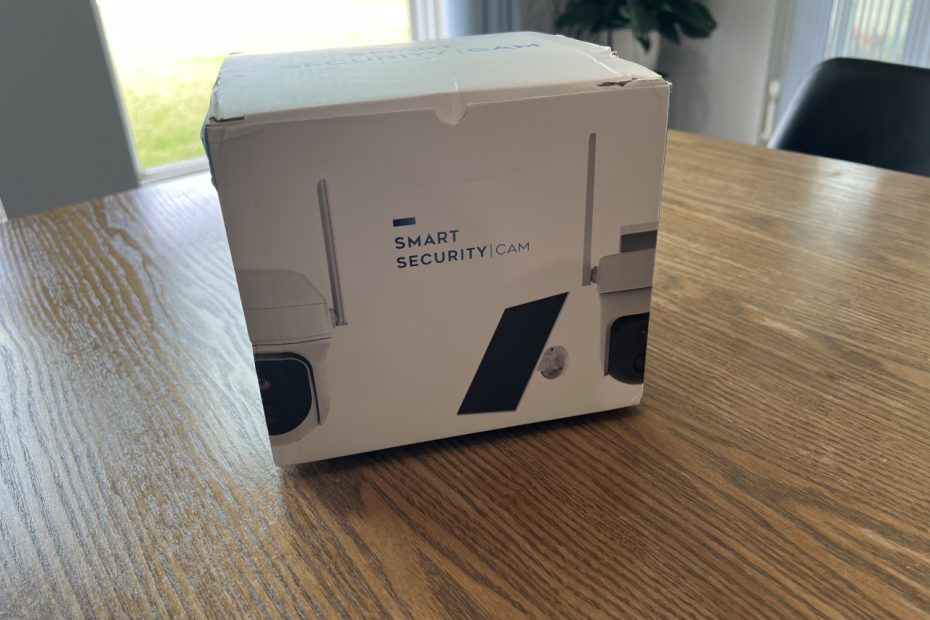

If this camera looks familiar, that’s because it basically is. The SANNCE I71FG 4G LTE Outdoor Security Camera shares nearly everything with the Wi-Fi model I reviewed earlier: same shell, same layout, same app. The twist is that it drops Wi-Fi in favor of a 4G SIM card, allowing it to connect directly to the cell network.
That single change makes it interesting. You can finally install a solar-powered security camera anywhere with sunlight and cell coverage—places like barns, driveways, sheds, or remote gates. But it also brings new trade-offs. Let’s see whether switching from Wi-Fi to 4G makes it more flexible or just more complicated.
Unboxing and First Impressions
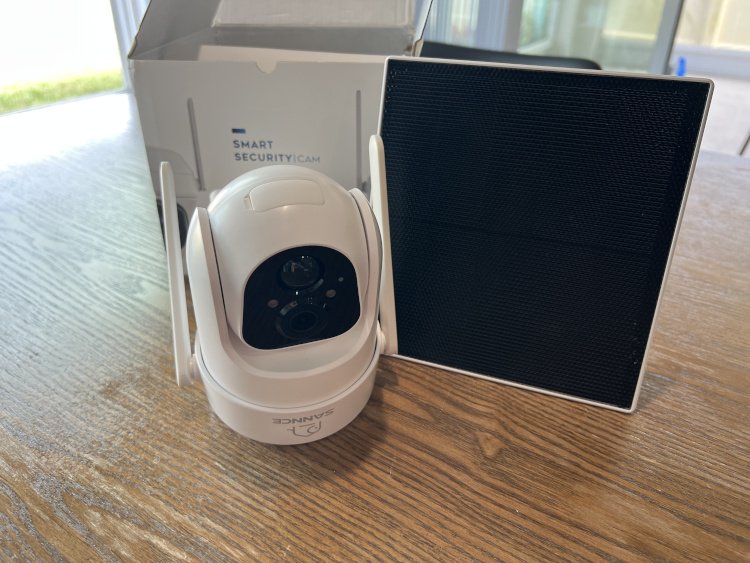
Right out of the box, the I71FG feels premium and familiar. It’s a dome-style pan-tilt camera with a full 360° rotation and 90° tilt. Compared to the earlier Wi-Fi version, it’s about 20% larger, most likely to make room for the 4G modem.
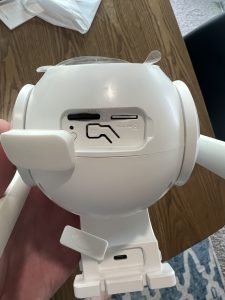
The ports sit behind thick rubber covers, offering the same weatherproof confidence as before. You’ll find a microSD slot and a nano-SIM tray tucked neatly underneath. The SIM comes pre-installed and ready to use, but you can also swap in your own if you already have a data plan or want to choose a carrier with better local coverage.
The included solar panel feels rugged, with a grippy matte texture instead of a glossy finish. It mounts with three screws and a swiveling bracket, allowing you to fine-tune the angle toward the sun. The mounting hardware is sturdy, though you’ll need a drill for both the panel and the camera.
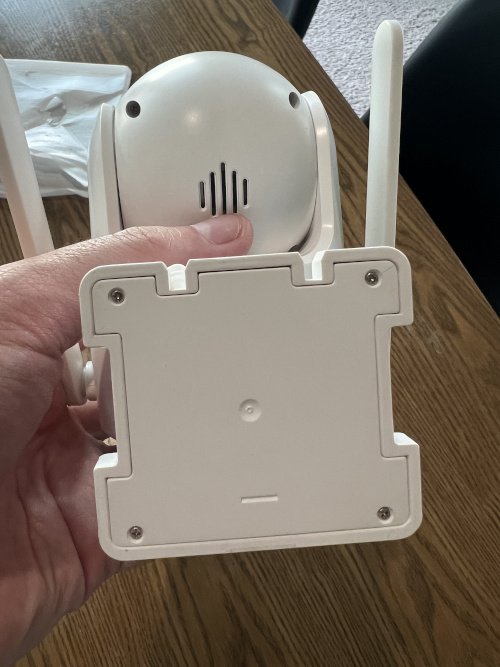
There’s no ¼-20 tripod socket this time, which limits creative mounting options. On the bright side, the panel and camera are separate units, giving you flexibility to place the camera in shade and the solar panel in full sun. It’s a design choice I wish more manufacturers copied.
Mounting and Setup
If you read my earlier “tree-mounted” experiment with the WB300 Wi-Fi model, you know I tried skipping the drill. That approach doesn’t work here. Both mounts rely on three screws and anchors, so you’ll need to commit to a surface.
The installation itself is straightforward: mount the solar panel where it gets steady sunlight, then position the camera for the best view. Having the two pieces separate helps a lot since you can optimize one for power and the other for perspective.
Setup is pleasantly quick. Power on the camera, open the VicoHome app, and scan the QR code. Within seconds, you’ll see the familiar “Connection succeeded” message. Because this model uses 4G only, there’s no Wi-Fi fallback. It runs entirely on cellular, which is perfect for remote areas but worth testing before you mount it permanently.
Data Plan Pricing
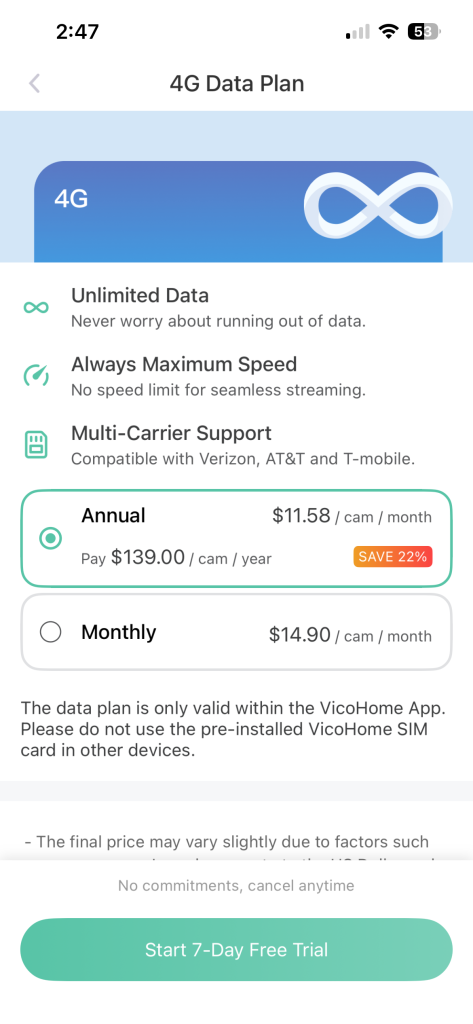
VicoHome will guide you through activating the data plan:
- $14.99 per month per camera for unlimited data (no throttling)
- $139 per year through the Apple App Store
- 7-day free trial to test coverage
Cloud storage comes with the plan and includes unlimited video history without extra subscriptions or SD cards to manage. The built-in 32 GB card still gives you a local backup in case the signal drops.
Here’s one of the big benefit of this camera. You can bring your own Sim Card. That means you don’t have to use VicoHome’s monthly data plan. You can add your own sim and use one from any of the major cell networks too. More info here.
Pro tip: Before tightening the last screw, check your 4G signal strength in the app. Two bars or better will keep the live view running smoothly.
Performance and Image Quality
Daytime and Nighttime Clarity
The I71FG captures crisp 2K (2304×1296) footage through a 3 MP sensor and wide F1.6 aperture. Daytime shots look sharp and balanced, keeping faces and license plates readable up to about 30 feet.
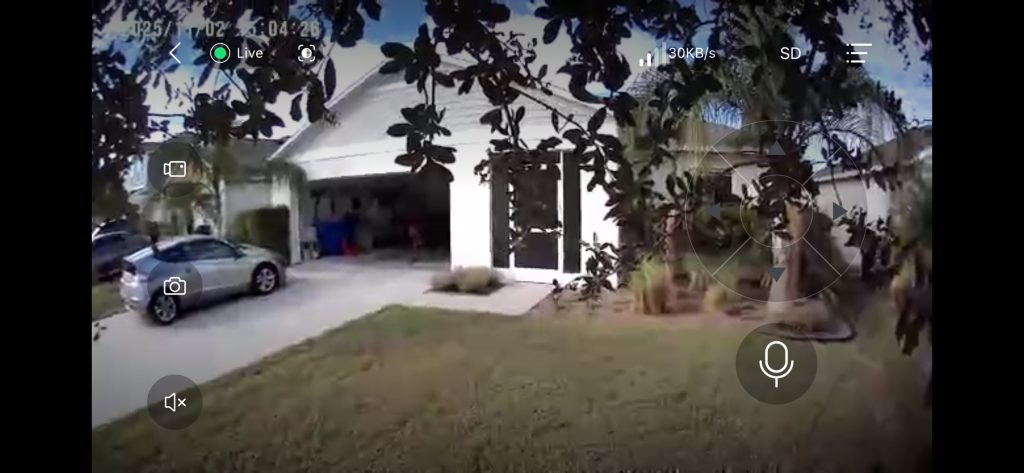
At night, dual-light mode automatically switches between infrared and full-color LED. The color night vision isn’t cinematic, but the aperture and bright LEDs pull in more detail than most solar-powered cameras.
Audio and Detection
Two-way audio uses AAC compression and supports full-duplex talk, so there’s no walkie-talkie lag. Voices sound clear even from a few meters away. The human-detection AI does a solid job filtering out wind and moving branches, with alerts arriving about two to three seconds after motion.
Battery and Solar Performance
Power comes from a 9000 mAh battery that’s easily maintained by the included panel. The manufacturer claims around two months of moderate use (approximately 20 motion clips per day) without sunlight, and in testing, that estimate held up. In normal outdoor light, the battery stayed topped off.
Network and Streaming
Stream stability depends on signal strength. With three bars of LTE, I averaged around 15 fps with little buffering. When the signal dropped to one bar, the lag became noticeable, but the stream never fully disconnected. Connection was a bit weak around my area though, so the quality was a bit lower at the time of testing.
Everyday Use and Portability
What makes this camera stand out is its independence. There’s no Wi-Fi, no ethernet, and no nearby power outlet—just sunlight and a cell signal. It’s built for farms, construction sites, and rural properties.
Even though it relies entirely on LTE, the app performance feels nearly identical to the Wi-Fi model. The live view takes a few seconds to connect but stays stable once it loads. Push notifications arrive quickly, and clips upload to the cloud without issues.
You can also remove the default SIM and insert your own, which gives the camera extra longevity. If the included carrier changes coverage or pricing, you’re not locked in.
Frequently Asked Questions
Nope! That’s the beauty of it. It runs entirely on a 4G SIM card, so you can install it anywhere with cell coverage and no home internet required.
Yes. Cloud storage is included with the monthly plan and there’s no cap, so you don’t have to worry about deleting old clips or juggling SD cards.
Absolutely. It’s one of the big wins of this model. The camera comes with a pre-installed SIM card so it’s ready to go, but you can swap it for your own if you’d rather use a different carrier or plan.
It’s surprisingly sharp. The 2K resolution holds up even in low light, and motion alerts come through quickly with clear snapshots.
Verdict: Familiar Hardware, New Freedom
The SANNCE I71FG doesn’t reinvent anything; it simply removes a major limitation. You trade a quick, no-drill setup for a few screws and a SIM card, and in return you can monitor anywhere the sun shines.
It’s essentially the same reliable hardware as the WB300 Wi-Fi camera, reimagined for remote use. If you need eyes on a property beyond Wi-Fi range—such as a gate, barn, or worksite—this one is easy to recommend.
For more context, check out my earlier review of the Annke WB300 Wi-Fi camera, where I tested that creative “tree installation” setup. It’s a fun comparison to this more self-sufficient 4G version.
Quick Summary
Pros:
- Works anywhere with 4G signal and sunlight
- Unlimited cloud storage included
- Pre-installed SIM (user-swappable)
- Crisp 2K image, solid night vision
- Strong battery + efficient solar charging
- 7 day free trial to test out cloud plans
Cons:
- Requires drilling (no tripod socket)
- No Wi-Fi fallback
- Dependent on local cell coverage
Best For: Rural homes, driveways, farms, job sites, or anyone needing camera coverage far from Wi-Fi.